Digital X-Rays
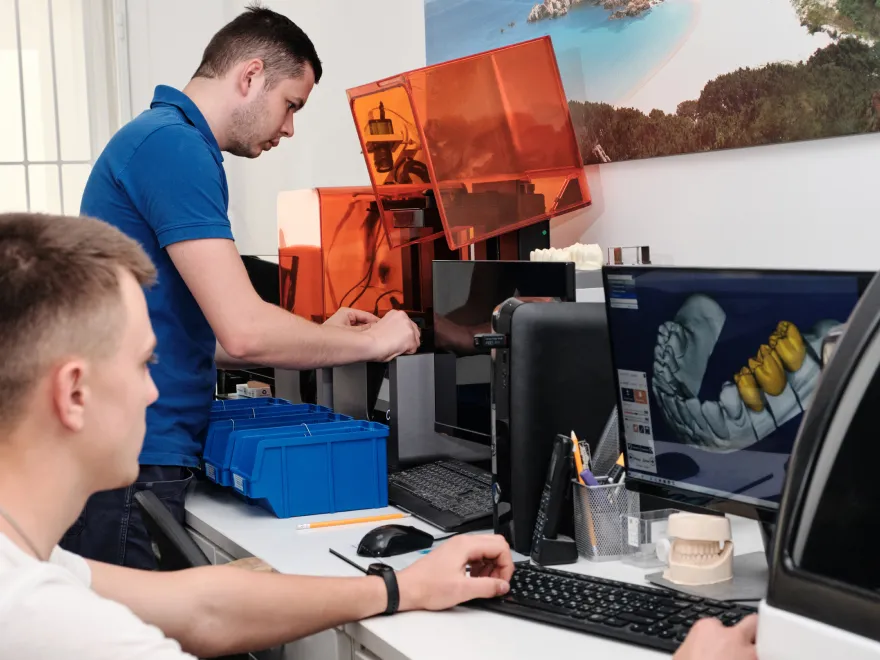
Digital X-rays produce sharper, faster images than traditional X-rays — at a fraction of the radiation exposure. For patients, that means:
- A quicker, more comfortable imaging process
- Significantly reduced radiation compared to conventional X-rays
- Clearer images that Dr. Patel can review with you chairside in real time
- Earlier detection of issues that might otherwise go unnoticed until they become more serious
Cone Beam CT Imaging (CBCT)
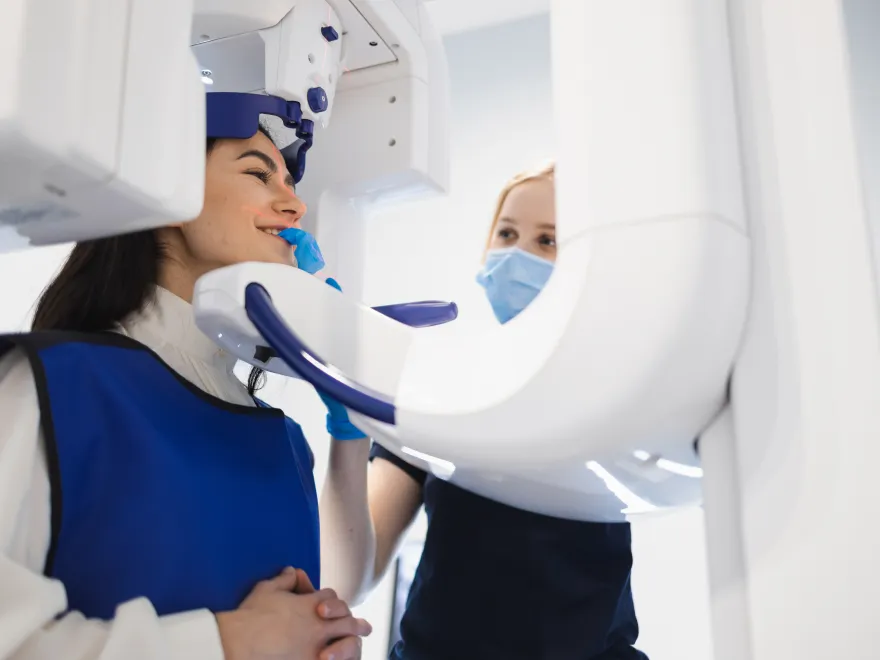
A standard X-ray produces a flat, two-dimensional image. Cone beam CT imaging produces a detailed, three-dimensional scan of your teeth, roots, jaw, and surrounding bone — a level of diagnostic clarity that a conventional image cannot match. For patients, this means:
- A more complete and accurate picture of your oral health
- Better-informed treatment planning before anything begins
- Greater confidence that nothing has been missed or misread
- Fewer surprises and adjustments mid-treatment

Intraoral Camera
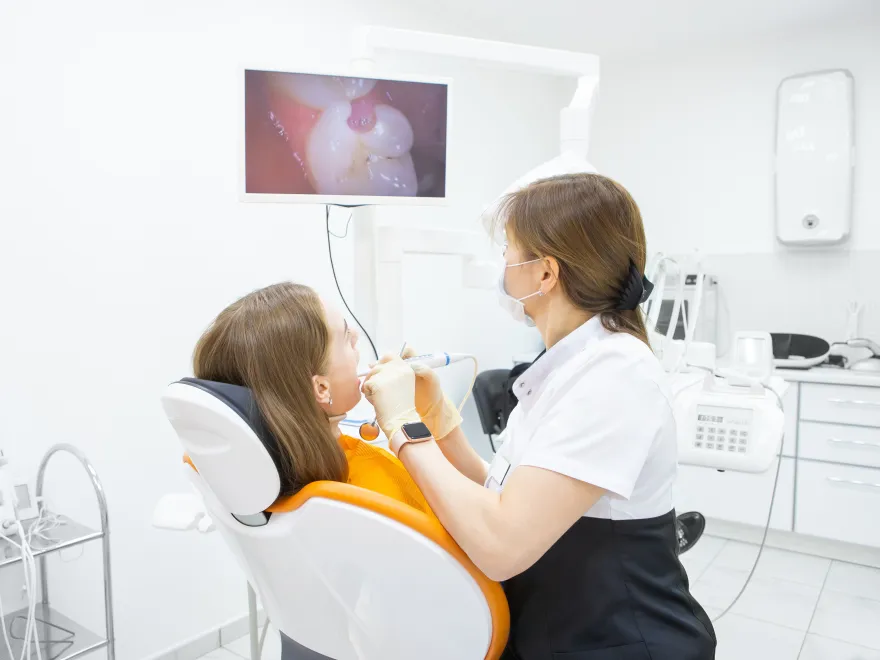
An intraoral camera is a small, handheld device that captures high-resolution images from inside your mouth and displays them on a screen in real time. What Dr. Patel sees, you see. For patients, that means:
- A clear, visual understanding of your diagnosis — not just a verbal explanation
- The ability to see exactly what is being treated and why
- A more informed, confident role in your own treatment decisions
- No guesswork, no taking anyone's word for it
3D Digital Impressions
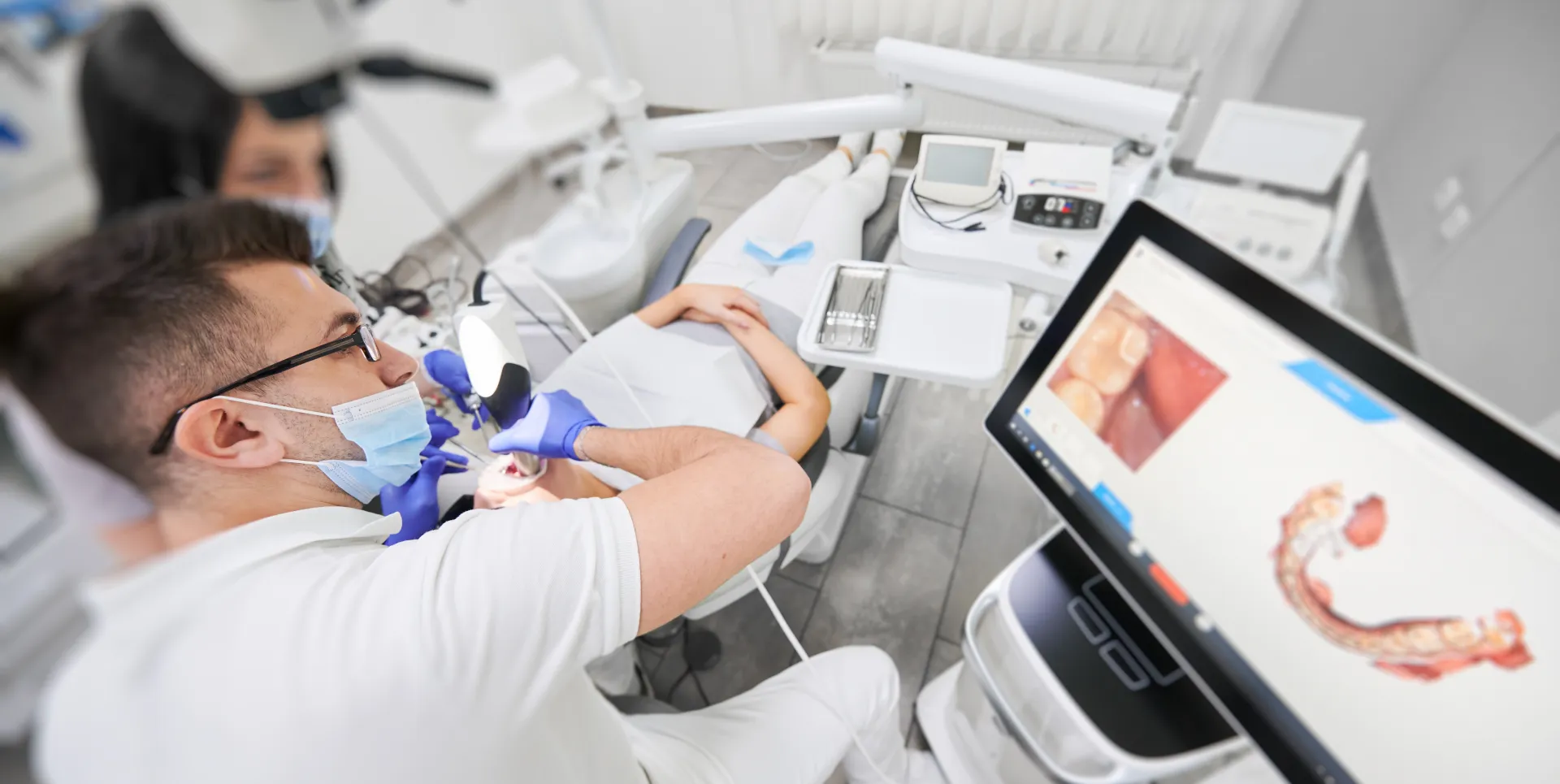
Traditional impressions involve trays filled with a putty-like material — an experience many patients find uncomfortable or triggering for a gag reflex. Digital impressions replace that process with a small scanning wand that moves gently around your mouth and builds a precise three-dimensional model of your teeth in minutes. For patients, that means:
- No putty, no trays, no discomfort
- A faster, more accurate result
- No waiting for molds to set
- A more precise fit for any restorations, guards, or appliances that follow